⭐️⭐️⭐️½
The Secret Courtesan is a novel with big intentions and a clear love for the kind of historical fiction that asks difficult questions about women, power, and who gets remembered. From the outset, Kerry Chaput establishes a richly textured world. One where reputation is currency, silence is survival, and identity is something that can be both weapon and shield. It’s thoughtful, layered, and very clearly aiming for the kind of literary heft that invites comparison to Jodi Picoult’s By Any Other Name.
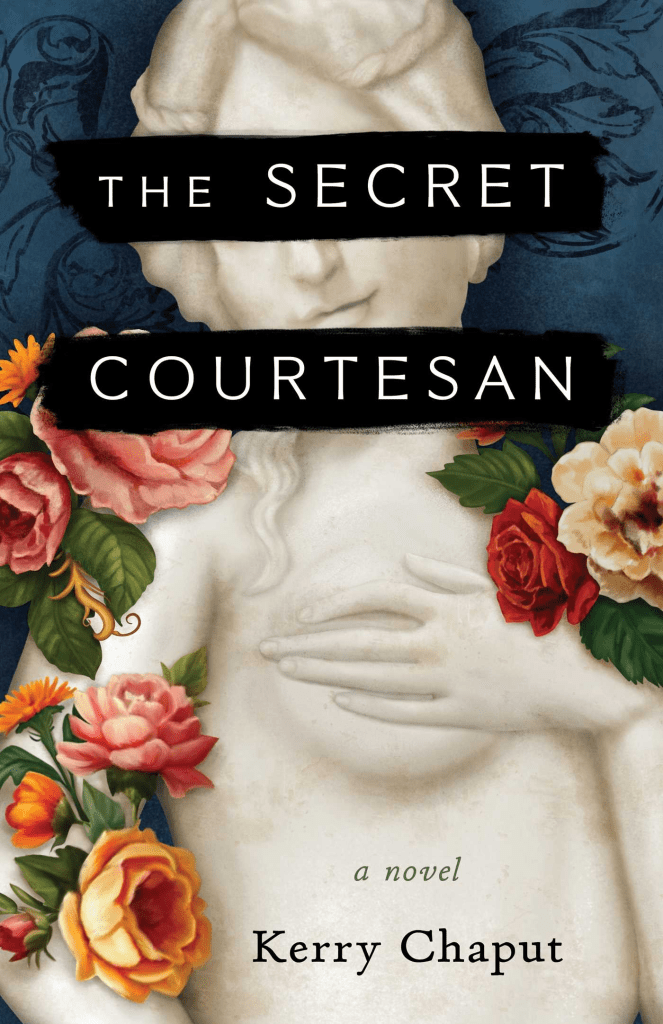
That comparison feels earned. Like Picoult’s work, The Secret Courtesan is deeply interested in authorship, erasure, and the quiet ways women influence history even when their names are stripped from it. The emotional core of the novel is strong, especially when Chaput allows her characters space to wrestle with their circumstances. The internal conflict, the longing for autonomy, and the cost of secrecy are all handled with care and intention.
Where the book stumbles a bit is in its pacing. Some sections linger longer than they need to, revisiting the same emotional terrain without significantly advancing the story. These slower stretches can dull the tension, particularly in a narrative that depends so heavily on intrigue and revelation. On the flip side, a few pivotal moments move too quickly, rushing past developments that could have benefited from deeper exploration. The imbalance doesn’t derail the story entirely, but it does occasionally pull you out of the reading flow.
Still, there’s a lot here to admire. Chaput’s prose is measured and evocative, and her thematic focus gives the novel a sense of purpose even when the momentum falters. Readers who enjoy reflective, character-driven historical fiction will likely find much to enjoy here.
The Secret Courtesan isn’t a flawless read, but it’s an earnest and ambitious one. With stronger pacing, it could have truly soared. But as it stands, it’s a solid, thoughtful addition to the genre and a book that lingers more for its ideas than its plot.
Devour or Nibble?
Nibble. Best enjoyed in thoughtful bites rather than a single sitting. This one is ideal for readers who savor introspective historical fiction and don’t mind a slower, uneven pace in exchange for rich themes and character depth.
 literary gluttony
Leave a comment