In eighteenth-century London, a secret apothecary shop caters not to the sick—but to women seeking justice in the most permanent way possible. Nella, the apothecary, dispenses poisons disguised as cures, bound by one rule: the victim must always be a man. In present-day London, Caroline stumbles upon a clue to this long-buried history while grappling with betrayal in her own marriage. As past and present intertwine, the story explores revenge, resilience, and what happens when women decide they’ve had enough.
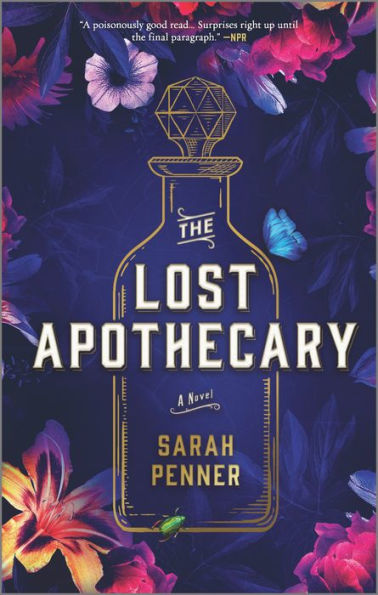
There is something undeniably intoxicating about a hidden shop tucked into the shadows of London’s winding eighteenth-century streets. The grime, the secrecy, the quiet rage simmering beneath corsets and powdered wigs—I ate that up. The historical atmosphere is where this novel truly shines. You can almost feel the damp cobblestones underfoot and smell the bitter herbs steeping in glass vials.
The dual timelines were my favorite element. I’m always feral for a past-meets-present structure, and here it works beautifully in concept. Nella’s storyline in 1791 carried the darker, richer thread. Her moral code, her loneliness, and the fragile alliance she forms with young Eliza created a tension that felt sharp and promising. Every chapter in the apothecary’s world had weight.
Caroline’s present-day arc, while compelling in premise, didn’t hit with quite the same potency for me. Her personal reckoning had strong bones, but at times it felt repetitive or emotionally muted where I wanted something messier—something that matched the venom of the past. The parallel between the women across centuries is clever, but the modern storyline occasionally smoothed over complexities that deserved more bite.
That said, the concept is delicious. A feminist revenge tale wrapped in historical intrigue? Yes, please. The execution sometimes felt a touch restrained, as though it hesitated to fully embrace the darkness it flirted with. There were moments that could have cut deeper, lingered longer, or trusted the reader with sharper edges.
Still, the atmosphere, the historical detail, and the central premise kept me turning pages. It’s the kind of book that makes you want to wander side streets and imagine what secrets are bricked up behind unmarked doors.
Devour or Nibble?
Nibble.
Savor it for the setting, the dual timelines, and the intoxicating idea at its core—but don’t expect every thread to deliver the same punch. It’s a moody, satisfying bite… just not the full feast it could have been.
 literary gluttony
Leave a comment