The Gate of the Feral Gods, the fourth installment in Matt Dinniman’s wildly inventive Dungeon Crawler Carl series, raises the stakes in ways that feel both thrilling and deeply personal. As the dungeon grows deadlier and more unpredictable, Carl and Donut face challenges that test far more than their ability to survive. What begins as another level of the crawl quickly reveals itself to be something larger — a shift in the game itself, where hidden forces, mounting consequences, and evolving alliances begin to reshape everything we thought we understood about this world. The story balances absurd humor with genuine tension, creating an experience that is as emotionally engaging as it is wildly entertaining.
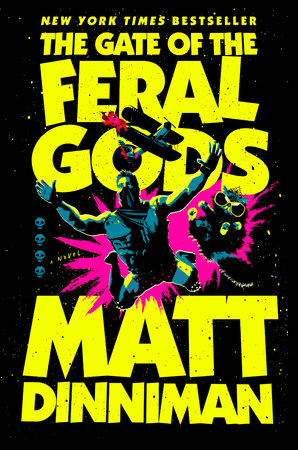
By book four, a series either settles into familiarity or dares to transform, and The Gate of the Feral Gods firmly chooses transformation. This installment feels unmistakably like a turning point. The dungeon is no longer just spectacle and survival; the narrative expands in meaningful ways that deepen both the worldbuilding and the emotional stakes. There’s a growing sense of momentum throughout the story — the feeling that every decision matters more now, that the crawl is building toward something massive and irreversible. The humor remains sharp and chaotic, but it’s layered alongside moments of real weight, giving the story a depth that elevates the entire series.
One of my favorite aspects of this book is how much the characters continue to evolve. I absolutely love the development we’re seeing at this stage in the series. These aren’t static heroes navigating increasingly bizarre scenarios; they are people shaped by everything they’ve endured. Relationships grow more complex, motivations become clearer, and emotional moments land harder because of how much history we now share with them. Carl’s growth feels especially significant here, marked by a heavier awareness of consequence and responsibility that adds nuance to his journey. And Donut remains an undeniable standout — hilarious, unpredictable, and increasingly layered in ways that continue to surprise me. By this point, these characters feel fully realized, making every triumph satisfying and every danger genuinely tense.
I was completely drawn into this story from beginning to end. The pacing keeps the narrative moving without sacrificing emotional resonance, blending inventive action with quieter moments that allow the characters and stakes to breathe. Dinniman excels at escalation; each new challenge feels bigger without becoming overwhelming, and the balance between chaos and clarity keeps the story incredibly immersive. More than anything, this book builds anticipation beautifully. Rather than offering tidy resolution, it opens new possibilities and looming conflicts that left me genuinely excited for what’s coming next in the series.
The Gate of the Feral Gods doesn’t just continue the story — it reshapes it. As the fourth book, it marks a clear turning point, deepening character arcs while expanding the scope of the world in ways that feel bold and intentional. It’s funny, intense, emotionally grounded, and nearly impossible to put down — the kind of installment that reminds you exactly why you became invested in these characters and this story in the first place.
Devour or Nibble?
Devour.
If you’ve been following Carl and Donut’s journey, this installment rewards that investment completely. With standout character development, rising emotional stakes, and a powerful sense that the story is building toward something extraordinary, The Gate of the Feral Gods is a sequel that doesn’t just maintain momentum — it amplifies it, leaving me eager (and more than a little impatient) for the next book.
 literary gluttony
Leave a comment