Set in the rugged hills of Depression-era Appalachia, The Book Woman of Troublesome Creek follows Cussy Mary Carter, a Pack Horse Librarian delivering books to isolated families deep in the Kentucky mountains. As she rides treacherous terrain to bring stories and knowledge to communities forgotten by the wider world, Cussy faces prejudice, hardship, and loneliness — all while fiercely protecting her love of books and the people she serves. Inspired by real historical events, this novel blends resilience, history, and the quiet power of literacy into a deeply human story.
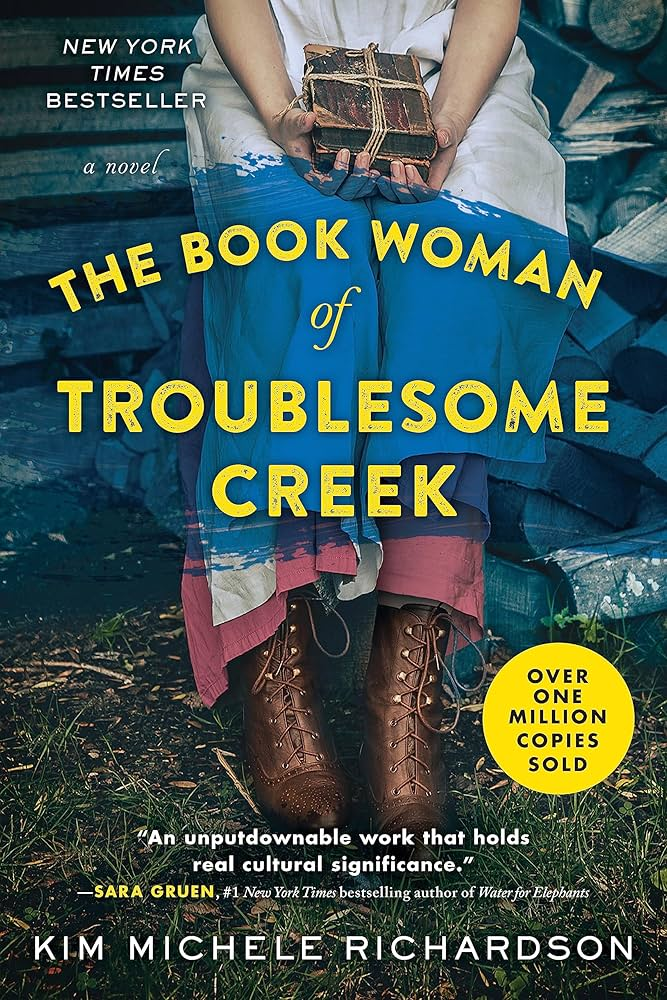
There are some books you enjoy, some you admire, and then there are the ones that feel personal. The Book Woman of Troublesome Creek landed firmly in that last category for me.
As someone born and raised in Kentucky — and still living here — this story hit close to home in a way few historical novels ever have. The landscapes didn’t feel imagined; they felt remembered. The dialect, the rhythms of mountain life, the stubborn pride and tight-knit communities all rang familiar, grounding the story in something authentic rather than romanticized.
Kim Michele Richardson doesn’t just write about Appalachia — she respects it. That respect shines through every page.
Cussy Mary is an unforgettable protagonist. Quietly brave, fiercely loyal, and deeply compassionate, she carries the emotional weight of the novel without ever feeling larger than life. Falling in love with these characters happens almost accidentally; one moment you’re observing their struggles, and the next you’re fiercely invested in their survival, their dignity, and their small moments of joy.
What struck me most was how naturally the historical elements are woven into the narrative. The Pack Horse Library Project itself feels like a love letter to literacy — a reminder that books have always been lifelines, not luxuries. Richardson highlights a lesser-known piece of American history while also exploring themes of discrimination, belonging, and resilience with a careful, human touch.
And while the novel doesn’t shy away from harsh realities — poverty, social prejudice, and isolation — it never feels exploitative. Instead, it emphasizes endurance and community, showing how stories can bridge loneliness and offer hope even in the hardest circumstances.
Reading this as a Kentuckian added an extra emotional layer. The mountains, the people, and the cultural nuances felt recognizable rather than distant. It made appreciating the history discussed throughout the book even more meaningful, turning the reading experience into something both immersive and reflective.
If I had one small critique, it’s that certain emotional beats lean toward predictability at times. The story’s trajectory occasionally feels familiar within the historical fiction genre. But honestly, that familiarity also lends comfort — like listening to a well-told story passed down through generations.
Ultimately, this is a novel about the power of stories to connect us — across distance, hardship, and difference. And for a book centered around delivering stories, that feels beautifully fitting.
Devour or Nibble?
Devour. Especially if you love historical fiction rooted in real history, character-driven storytelling, or books about books. And if Appalachia or Kentucky holds any personal meaning for you, expect this one to linger long after the final page.
 literary gluttony
Leave a comment